Driving Licence UK: Your Guide to Applying for a Provisional Driving Licence
Getting your first driving licence is the first real step towards driving in the UK. Whether you want to learn to drive a car, ride a moped or motorbike, or simply need a widely accepted form of photo ID, the process starts with a provisional licence. At Driving Licence UK, we explain each step in plain English so you know what to expect, which documents you need and how to avoid the mistakes that delay applications.
Our guides cover applying for a first provisional licence, renewing an expiring licence, replacing a lost or stolen one, updating your name or address, and understanding the different licence categories. Everything is written to help you get it right the first time.
Please note: Driving Licence UK is an independent information website. We are not the DVLA, the DVA or any government body. You can always apply directly through GOV.UK, and our guides show you how.
What Is a Provisional Driving Licence?
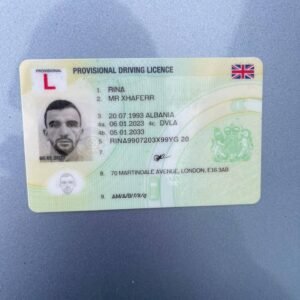
A provisional driving licence is the licence you hold while you learn to drive. It allows you to practise on public roads as long as you follow the rules. It is not a full licence, so you cannot drive alone in a car.
When learning in a car, you must display L plates (or D plates in Wales, if you prefer) and be supervised by someone who is at least 21 and has held a full UK licence for the same type of vehicle for at least three years. You cannot drive on motorways as a learner car driver unless you are with an approved driving instructor in a car with dual controls. If you want to ride a moped or motorbike, you must complete Compulsory Basic Training (CBT) before riding on the road.
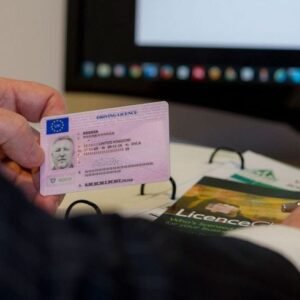
A provisional licence also works as photo ID, which is useful for proving your age and identity.
Who Can Apply for a Provisional Licence?
You can apply for a provisional licence from the age of 15 years and 9 months. However, you cannot start driving a car until you are 17, or 16 if you receive the enhanced rate mobility component of Personal Independence Payment (PIP). You can ride a moped from 16 and a small motorbike from 17.
To apply, you must:
- Live in Great Britain (Northern Ireland has a separate system run by the DVA)
- Meet the minimum eyesight standard, which means reading a number plate from 20 metres
- Be able to prove your identity
- Declare any medical conditions that may affect your driving
What You Need Before You Apply
Having everything ready makes the application quick and stops it being rejected or delayed. You will usually need:
- Your addresses for the last three years
- A valid passport or other proof of identity
- Your National Insurance number, if you have one
- A debit or credit card to pay the fee
- Details of any medical conditions or disabilities that could affect your driving
If you are applying by post, you may also need to send original identity documents, so check the requirements carefully before sending anything.
How to Apply Step by Step
- Check you are eligible. Make sure you meet the age, residency and eyesight requirements.
- Gather your documents. Collect your ID, address history and National Insurance number.
- Choose how to apply. The fastest way is online through GOV.UK. You can also apply by post using a D1 application form, available from many Post Offices.
- Pay the fee. Pay by card if you apply online, or enclose payment with a postal application.
- Wait for your licence. Online applications are usually processed faster than postal ones. Your photocard licence is sent to the address on your application.
Check your details carefully before submitting. Mistakes in names, dates of birth or addresses are one of the most common reasons for delays.
How Much Does a Provisional Licence Cost?
The fee is set by the government and is lower online than by post. Fees can change, so always confirm the current price on GOV.UK before you pay. Be careful with websites that add extra “service” or “processing” charges on top of the official fee. Driving Licence UK is here to guide you, and we always recommend checking exactly what you are paying for.
Renewing Your Driving Licence
A photocard driving licence must be renewed every 10 years, and you can renew up to 90 days before it expires. You will also need to renew if your appearance has changed significantly and your photo no longer looks like you.
Drivers aged 70 or over must renew their licence every three years, and this renewal is free. Renewing online is usually the quickest option and costs less than renewing by post.
You are legally required to hold a valid licence to drive, so it is worth setting a reminder well before your expiry date.
Replacing a Lost, Stolen or Damaged Licence
If your licence has been lost, stolen, damaged or destroyed, you can apply for a replacement. If it was stolen, report the theft to the police first. You will need to confirm your identity and address, and a small fee applies for most replacements.
If you find your original licence after applying for a replacement, you must destroy or return the old one. It is no longer valid.
Changing Your Name or Address
By law, you must keep your driving licence details up to date. If you move house, you must tell the DVLA, and updating your address is free. Failing to do so can result in a fine of up to £1,000.
If you change your name, for example after marriage, a civil partnership or by deed poll, you must also update your licence. You may need to provide proof of your name change.
Learning to Drive: What Happens After You Get Your Provisional Licence
Once you have your provisional licence, you can start learning. Most learners combine professional lessons with private practice in a friend’s or relative’s insured car.
To gain a full licence, you must pass two tests:
- The theory test: a multiple-choice section followed by a hazard perception test. You must pass this before you can book your practical test, and the pass certificate is valid for two years.
- The practical driving test: an assessment of your driving on real roads, including an eyesight check, vehicle safety questions and independent driving.
Once you pass, you will receive your full licence. Be aware that if you build up six or more penalty points within two years of passing your first driving test, your licence will be revoked and you will need to reapply for a provisional licence and pass both tests again.
Driving Licence Categories Explained
Your licence covers different vehicle categories, each with its own age limits and rules. Some of the most common include:
- Category AM: mopeds
- Category A1: small motorbikes up to 125cc
- Category A2: medium-powered motorbikes
- Category A: large motorbikes
- Category B: cars
You can view the categories on your licence, and you may need to take extra tests to add more.
Frequently Asked Questions
How long does a provisional licence take to arrive?
Online applications are typically quicker than postal ones. If you have not received your licence after a few weeks, contact the DVLA through GOV.UK.
Can I drive alone with a provisional licence?
No. As a learner car driver, you must be supervised by a qualified driver aged 21 or over who has held a full licence for at least three years.
Can I use my provisional licence as ID?
Yes, a photocard provisional licence is accepted as proof of identity and age by many organisations.
Do I need to renew a provisional licence?
Yes, a photocard licence must be renewed every 10 years, and you must keep your address and name up to date.
Is Driving Licence UK the DVLA?
No. We are an independent guide. You can complete all official applications yourself on GOV.UK.
Why Use Driving Licence UK?
Government processes can be confusing, especially if it is your first time. Driving Licence UK breaks each step into clear, simple guidance so you can apply, renew or replace your licence with confidence. Explore our guides to get started and take the first step towards driving in the UK.